
Marketing is one of those words that gets thrown around constantly in business conversations, yet most people struggle to define exactly what it means. Ask ten different people and you will likely get ten different answers — some will say it is advertising, others will say it is social media posts, and a few might mention sales pitches. The truth is, marketing is all of these things and much more.
Whether you run a small local bakery, manage a growing e-commerce store, or are just starting to think about launching a business, understanding marketing is not optional — it is essential. Every business that survives and thrives does so because it connects with the right people at the right time with the right message. That connection is marketing.
This guide is designed for beginners who want a clear, practical understanding of how marketing works. By the end, you will know what marketing actually is, why it matters, what the major types are, and how to start thinking like a marketer — no jargon, no fluff.
What Is Marketing, Really?
At its core, marketing is the process of identifying what people need or want, creating something valuable to meet that need, and communicating that value in a way that motivates people to take action. That action might be making a purchase, signing up for a newsletter, following a brand on social media, or simply remembering a company’s name when they need it later.
The American Marketing Association defines marketing as the activity, set of institutions, and processes for creating, communicating, delivering, and exchanging offerings that have value for customers, clients, partners, and society at large. That is a thorough definition, but in plain terms: marketing is how a business connects with the world.
Marketing Is Not Just Advertising
One of the most common misconceptions is that marketing and advertising are the same thing. Advertising is actually just one piece of the much larger marketing puzzle. Marketing also includes:
- Understanding your target audience through research and data
- Developing products or services that meet real, felt needs
- Setting prices that attract buyers while sustaining your business
- Choosing the right distribution channels to reach customers where they are
- Building a brand identity, reputation, and emotional connection
- Measuring what works and continuously improving what does not
Advertising is the act of paying to spread a message. Marketing is the entire strategy behind why, how, and to whom that message is directed.
Marketing vs. Sales: A Quick Distinction
Marketing and sales are closely related but serve different roles. Marketing creates awareness and interest — it warms up potential customers and pulls them toward a brand. Sales, on the other hand, is the process of converting that interest into a transaction. Think of marketing as setting the table and sales as serving the meal. Without marketing, sales teams would have nobody to talk to. Without sales, marketing efforts would never close the loop.
Why Marketing Matters for Any Business
Even the most innovative product in the world will fail if nobody knows it exists. Marketing is the bridge between what a business offers and the people who need it. Here is why it matters at every stage of business growth:
Building Brand Awareness
Before anyone can buy from you, they need to know you exist. Marketing creates visibility. Through consistent messaging, visual identity, content, and outreach, marketing puts a business on the radar of potential customers. Brand awareness is the foundation everything else is built on — without it, even the best product sits unnoticed on the shelf.
Attracting and Retaining Customers
Marketing does more than attract new customers — it also keeps existing ones engaged. A well-executed marketing strategy nurtures relationships over time, turning one-time buyers into loyal advocates who recommend your brand to others. Customer retention is significantly more cost-effective than constant new customer acquisition, and marketing plays a central role in both outcomes.
Supporting Long-Term Business Growth
Long-term business growth depends on a consistent flow of new leads, customers, and revenue. Marketing creates that pipeline. By continuously reaching new audiences, testing new messages, and expanding into new channels, marketing sustains the momentum a business needs to grow beyond its initial customer base. Businesses that invest in marketing consistently outperform those that rely solely on word of mouth or organic discovery.
Creating Competitive Advantage
In crowded markets, marketing helps businesses stand out. A compelling brand story, a clearly communicated value proposition, and a strong content strategy can make one company far more attractive than a competitor offering nearly identical products. Marketing is how businesses earn a lasting place in the minds of their customers — and how they defend that position over time.
The 4 Ps of Marketing Explained
One of the most foundational frameworks in all of marketing is the 4 Ps, also known as the marketing mix. Developed by marketing professor E. Jerome McCarthy in the 1960s, the 4 Ps give marketers a systematic way to think about how to bring a product or service to market. The four elements are: Product, Price, Place, and Promotion. Together, they ensure that every key decision about a product is aligned with the needs of the target market.
Product
Product refers to what you are actually selling. This goes beyond the physical object or service itself — it includes the features, quality, design, branding, packaging, and the overall experience surrounding it. Before marketing anything, businesses must ask: Does this product solve a real problem? What makes it better or different from the alternatives already available?
For example, Apple does not just sell smartphones — it sells an experience of simplicity, status, and seamless ecosystem integration. That positioning begins at the product level and flows through every other marketing decision the company makes.
Price
Price is what customers pay in exchange for the product. Pricing strategy is a powerful marketing lever. A premium price signals exclusivity and quality. A budget price signals accessibility and value. Pricing affects how customers perceive a product and directly impacts who buys it and how often.
Consider a luxury perfume brand. The high price point is not accidental — it reinforces the brand’s identity, limits the audience to those who associate price with prestige, and creates a sense of desirability that a lower price would completely undermine.
Place
Place refers to where and how a product is made available to customers. This includes physical retail locations, online stores, apps, third-party marketplaces, and any other distribution channel. Getting the place right means making it easy for your target customers to find and purchase your product exactly where they already spend their time.
A business selling handmade candles might choose to sell on Etsy because that is where its target customers already shop. A software company might focus entirely on its own website with a free trial and subscription model. Place decisions shape the entire customer journey from discovery to purchase.
Promotion
Promotion is the communication piece — everything a business does to let people know about its product. This includes advertising, content marketing, social media, email campaigns, public relations, events, influencer partnerships, and word-of-mouth programs. Promotion answers the question: How do we get the message out to the right people?
The 4 Ps work together as a system. Changing one element affects the others. A premium product deserves premium promotion and selective distribution. A low-cost, high-volume product needs wide availability and broad reach. Understanding the interplay of these four elements is what separates strategic marketers from those who simply run ads without a coherent plan behind them.
Main Types of Marketing You Should Know
Marketing comes in many forms, and the right type — or combination of types — depends on your business, audience, and goals. Here is an overview of the most important categories every beginner should understand before choosing where to focus their energy:
Digital Marketing
Digital marketing encompasses all marketing activities that take place online. This includes search engine optimization (SEO), pay-per-click advertising (PPC), email marketing, social media marketing, content marketing, affiliate marketing, and more. Digital marketing is especially popular because it is highly measurable, scalable to nearly any budget, and often more cost-effective than traditional offline methods — particularly for small and medium-sized businesses just getting started.
Content Marketing
Content marketing is the practice of creating and distributing valuable, relevant content — blog posts, videos, podcasts, infographics, guides, and case studies — to attract and engage a specific target audience. Rather than directly pitching products, content marketing builds trust and authority over time. When a business consistently publishes helpful content, it becomes the go-to resource in its niche and earns the trust of potential customers long before they ever consider making a purchase.
Social Media Marketing
Social media marketing uses platforms like Instagram, Facebook, LinkedIn, TikTok, YouTube, and X (formerly Twitter) to connect with audiences, build brand identity, and drive traffic or sales. It includes both organic content — regular posts, stories, reels, and live sessions — and paid advertising campaigns. Social media is particularly effective for building community around a brand, engaging directly with customers in real time, and humanizing a business through authentic, consistent communication.
Email Marketing
Email marketing involves sending targeted messages directly to a subscriber’s inbox. It is consistently ranked among the highest-ROI marketing channels available, with studies citing average returns of $36 or more for every $1 spent. Email can be used to nurture leads over time, announce new products, share exclusive promotions, or deliver a weekly newsletter packed with value. The key is building a permission-based list — subscribers who have actively chosen to hear from you and genuinely welcome your messages.
Traditional Marketing
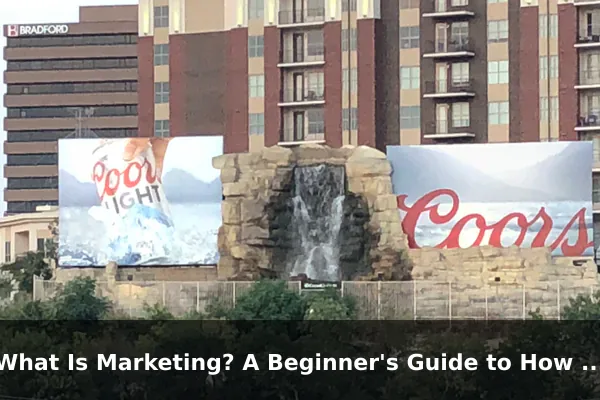
Traditional marketing includes offline channels such as television and radio advertising, print media including newspapers, magazines, flyers, and brochures, billboards, direct mail, and event sponsorships. While digital marketing has grown enormously, traditional marketing still plays a valuable role — especially for local businesses, audiences that are less active online, and brands that benefit from high-visibility placements in physical environments like transit hubs, sports venues, or retail spaces.
How the Marketing Process Works Step by Step
Effective marketing is not random — it follows a clear, repeatable process that connects research to strategy to execution to measurable results. Here is how the marketing workflow typically unfolds for businesses of any size:
Step 1 — Research and Understand Your Audience
Every strong marketing effort starts with a deep understanding of the people you are trying to reach. This means researching your target audience: who they are, what problems they face daily, what they value and aspire to, where they spend their time, and how they make buying decisions. Customer surveys, one-on-one interviews, social media listening, website analytics, and competitor analysis all feed into this research phase. Without this foundation, every other decision is essentially a guess.
Step 2 — Define Your Goals and Build a Strategy
Once you understand your audience, you need to set specific, measurable goals. Are you trying to increase brand awareness? Generate qualified leads? Drive direct online sales? Retain and grow existing customers? Goals should be concrete and time-bound — for example, increase website traffic by 30 percent over the next quarter, or generate 50 new leads per month by the end of the year. Your strategy is the high-level plan for how you will achieve those goals — which channels to use, what messages to deliver, and how to position your offer against the competition.
Step 3 — Create and Execute Your Campaigns
This is where strategy becomes real action. You create content, launch ads, send emails, publish social posts, and roll out full campaigns. Execution requires both consistency and quality. A well-built marketing campaign has a clear and focused message, a precisely defined audience, a compelling call to action, and a realistic timeline. Teams that skip the strategy phase and jump straight to execution often end up with fragmented, off-brand communications that confuse prospects rather than convert them.
Step 4 — Measure Results and Optimize Continuously
After launching a campaign, you track its performance against the goals you set in step two. Key metrics vary by channel — website traffic, click-through rates, conversion rates, cost per lead, return on ad spend, email open rates, and social media engagement are all common benchmarks marketers monitor. The data reveals what is working and what needs to change. Optimization means taking those insights and making deliberate, data-driven improvements: testing different headlines, adjusting audience targeting, refining your subject lines, or reallocating budget toward the channels delivering the strongest results. Marketing is never a set-it-and-forget-it activity — it is an ongoing, compounding cycle of learning and improvement.
Marketing vs. Advertising vs. Sales: What’s the Difference?
These three terms are frequently used interchangeably, but they represent genuinely distinct functions within any business. Understanding the differences helps you think more clearly about where your energy and resources belong.
Marketing is the broad umbrella that covers everything. It includes research, strategy, branding, messaging, content creation, campaign planning, channel selection, and performance measurement. Marketing defines who your customers are, what you offer them, and how you communicate that offer consistently across every touchpoint — from your website copy and packaging to the tone of your customer support interactions.
Advertising is a specific subset of marketing. It refers to paid placements designed to reach a defined audience with a specific message — running Google search ads, launching Facebook campaigns, buying television commercial spots, or securing sponsored posts with content creators. Advertising amplifies a marketing message and extends its reach, but it does not replace the underlying strategy. Advertising without a sound marketing strategy is like shouting a message into a crowd without knowing who you are talking to or why they should care.
Sales is the process of converting interested prospects into paying customers. Sales professionals typically engage directly with leads through calls, product demonstrations, written proposals, and negotiations. Marketing creates the conditions that make sales easier — generating awareness, building trust, and warming up prospects so they arrive at the sales conversation already interested. Sales then closes the deal and delivers on the promise marketing made.
A simple analogy: if your business is a restaurant, marketing is everything that makes someone decide to visit — the brand identity, the online reviews, the engaging social media presence, the seasonal promotions. Advertising is the billboard on the highway that catches their eye during their commute. Sales is the server who takes their order, makes recommendations, and ensures they leave happy enough to return and tell their friends.
How to Get Started with Marketing as a Beginner
Knowing the theory is important, but action is what actually moves the needle. Here is a practical starting framework for anyone new to marketing who wants to build momentum without feeling paralyzed by the options available:
- Define your audience with specificity. Before doing anything else, get crystal clear on who you are trying to reach. Write out a simple customer profile: age range, location, core interests, daily challenges, goals, and which platforms they use most. The more specific your audience definition, the more targeted and effective every marketing decision you make will be.
- Articulate your value proposition. What does your business offer that competitors do not? Why should someone choose you over the alternatives available to them? This unique value proposition should serve as the foundation of every marketing message you ever create.
- Choose one or two channels and go deep. Beginners consistently make the mistake of trying to be present everywhere at once. Instead, choose one or two channels where your target audience is most active — perhaps Instagram and email marketing, or Google search and a blog — and execute there well before considering expansion.
- Set one clear, measurable goal. Without a specific goal, you cannot measure success or failure. Pick one objective to start with: grow your email list to 500 subscribers, attract 100 daily visitors to your website, or sell 20 units per month. A single focused goal concentrates your effort where it counts most.
- Publish consistently over time. Marketing rewards persistence above almost everything else. A weekly blog post, a daily social media update, or a twice-monthly email newsletter builds momentum and signals reliability to your audience. Consistency over a long period beats sporadic bursts of effort every time.
- Track your results and look for patterns. Use free tools like Google Analytics, native social media dashboards, or your email platform’s analytics to monitor performance. Review the data at least once a month and identify what is resonating — then do more of that.
- Keep learning and stay curious. Marketing is always evolving. Follow reputable industry blogs, take free courses through platforms like HubSpot Academy or Google Digital Garage, and pay close attention to how the brands you admire are positioning themselves. The most effective marketers never stop being students of their craft.
The most common mistake beginners make is waiting until everything feels perfect before starting. The best way to learn marketing is to practice it — publish something, measure the response, extract the lesson, and improve with each iteration. Progress compounds, and so does the confidence that comes with it.
Conclusion
Marketing is not a mysterious black box reserved for large corporations with enormous budgets and teams of specialists. At its heart, it is simply the art and science of connecting with people, understanding what they genuinely need, and communicating clearly why your business is the right solution for them. Once you grasp that core idea, everything else — the strategies, channels, frameworks, and tactics — begins to fit together in a coherent, manageable way.
The 4 Ps give you a structured framework for making smart product and positioning decisions. The marketing process gives you a repeatable workflow to follow campaign after campaign. The different types of marketing give you a toolkit to draw from based on your specific goals, audience, and available resources. But the real work always begins with a deep, honest understanding of your audience — and a commitment to showing up for them consistently with relevant, genuinely valuable communication.
Whether you are marketing a side hustle, a startup, or a growing established business, the foundational principles covered in this guide will serve you well for years to come. Start small, stay curious, measure what matters, and build steadily from there. Marketing is a skill that compounds with practice — the more consistently you apply these principles, the stronger, more recognizable, and more effective your results will become over time.
