
Not every customer wants the same thing. A first-time college student buying sneakers has completely different needs from a professional athlete training for a marathon. Market segmentation is how smart businesses acknowledge this reality — and use it to their advantage.
Market segmentation is the process of dividing a broad target market into smaller, more defined groups of people who share common characteristics. Instead of sending a one-size-fits-all message to everyone, businesses can craft targeted campaigns that speak directly to the specific needs, habits, and goals of each group. The result is more relevant marketing, smarter use of budget, and stronger customer relationships — three outcomes that matter regardless of your business size or industry.
What Is Market Segmentation?
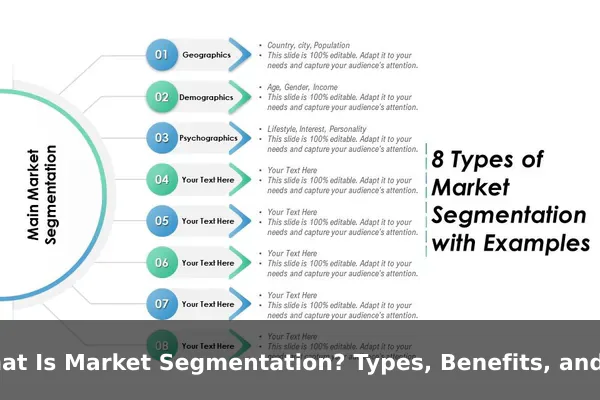
Market segmentation is a strategic marketing process that splits a large audience into distinct subgroups — called segments — based on shared traits. These traits can range from age and location to lifestyle, values, or purchasing behavior.
The core idea is simple: markets are not homogeneous. People have different pain points, different motivations, and different ways they make purchasing decisions. A business that tries to appeal to everyone often ends up resonating with no one. Segmentation solves this by helping marketers identify who their most valuable customers are, what they care about, and how to reach them effectively.
Once a market is segmented, businesses can:
- Develop products that meet the needs of specific groups
- Create messaging that speaks directly to each segment
- Allocate marketing spend where it will generate the highest return
- Track performance and improve campaigns over time
The Four Main Types of Market Segmentation
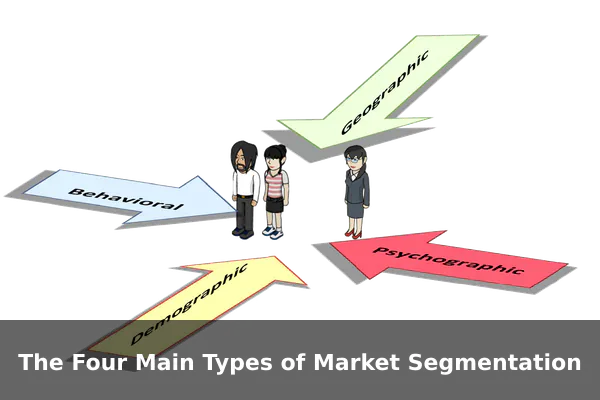
There are four primary types of market segmentation, each using a different set of criteria to group customers. Understanding all four helps you choose the right approach — or combine them — for your specific goals.
Demographic Segmentation
Demographic segmentation divides a market based on measurable population characteristics such as age, gender, income, education level, occupation, or family size. It is the most commonly used method because the data is relatively easy to collect and analyze.
Example: A luxury car brand targets high-income professionals aged 35–55, while a budget car brand focuses on younger buyers with lower disposable income.
Geographic Segmentation
Geographic segmentation groups customers based on their physical location — country, region, city, climate zone, or even neighborhood. It is especially useful for businesses operating across multiple markets with different needs, regulations, or cultural preferences.
Example: A food delivery service promotes hearty, warming meals in colder northern regions while highlighting fresh, light options in tropical climates.
Psychographic Segmentation
Psychographic segmentation goes deeper than demographics by examining psychological traits such as values, interests, attitudes, lifestyle choices, and personality types. It answers the question: who is this person beyond their age and job title?
Example: An outdoor gear company segments its audience into adventure-seeking backpackers, weekend campers, and casual hikers — each with different product needs and price sensitivities.
Behavioral Segmentation
Behavioral segmentation classifies customers by how they actually interact with a product or brand — including purchase history, usage frequency, brand loyalty, and the benefits they seek from a purchase.
Example: A streaming service identifies heavy users who watch five or more hours per day and targets them with premium plan upgrade offers, while re-engagement campaigns are sent to users who have not logged in for 30 days.
Key Benefits of Market Segmentation
Segmenting a market is not just an academic exercise. It delivers real, measurable advantages for businesses of every size:
- Personalized messaging: When you know who you are talking to, you can use language, images, and offers that feel relevant rather than generic.
- Efficient ad spend: Instead of running broad campaigns that reach everyone but convert few, segmentation lets you focus budget on audiences most likely to buy.
- Higher conversion rates: Relevant messages delivered to the right people at the right time consistently outperform untargeted mass marketing.
- Stronger brand loyalty: Customers who feel understood by a brand are more likely to return and recommend it to others.
- Better product development: Segment insights reveal unmet needs, helping teams build features and products that customers actually want.
- Competitive advantage: Understanding your segments better than competitors do gives you the ability to own specific niches rather than competing on price alone.
Real-World Examples of Market Segmentation
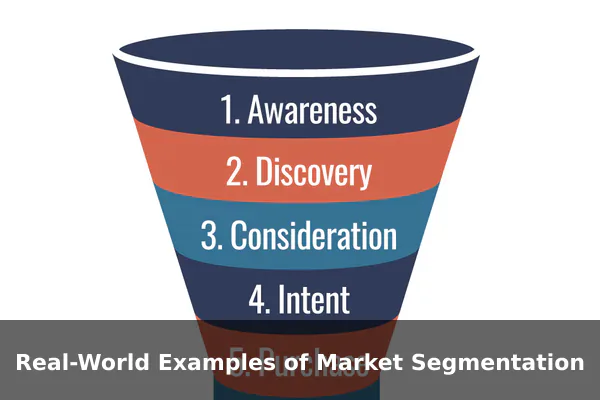
Seeing how leading brands apply segmentation makes the concept concrete and easier to adapt for your own business.
Nike — Demographic and Behavioral Segmentation
Nike creates distinct product lines and campaigns for runners, basketball players, yoga enthusiasts, and casual streetwear fans. Each sub-audience gets dedicated advertising, athlete endorsements, and curated retail displays. This approach lets one brand serve very different sports communities without diluting its core identity.
Spotify — Psychographic and Behavioral Segmentation
Spotify analyzes listening habits, time of day, and genre preferences to generate personalized playlists like Discover Weekly. Free-tier users receive targeted ads based on their demonstrated interests, while premium subscribers get curated content that feels tailor-made. The platform essentially creates a unique experience for every listener segment.
McDonald’s — Geographic Segmentation
McDonald’s keeps its global brand identity consistent while adapting its menu to local cultures. In India, the chain offers the McAloo Tikki to serve customers who do not eat beef. In Japan, seasonal sakura-flavored desserts tap into local cultural moments. This geographic sensitivity helps McDonald’s stay relevant across vastly different markets.
How to Apply Market Segmentation to Your Business
Implementing market segmentation does not require a large research budget. Follow these practical steps to get started:
- Collect customer data: Use surveys, website analytics, CRM records, social media insights, and purchase history to gather information about your existing and potential customers.
- Choose your segmentation criteria: Decide which variables matter most for your business. A local bakery might segment by neighborhood and occasion, while a software company might focus on company size and industry vertical.
- Build segment profiles: For each group, create a clear profile capturing their characteristics, goals, pain points, and buying behaviors. These profiles — sometimes called buyer personas — serve as practical guides for your marketing team.
- Tailor your messaging and offers: Adapt your campaigns, product descriptions, email sequences, and landing pages to speak directly to each segment’s specific needs.
- Measure and refine: Track conversion rates, customer lifetime value, and engagement metrics by segment. Use the data to adjust your targeting, improve underperforming segments, and double down on what works.
Conclusion
Market segmentation is one of the most practical tools in any marketer’s toolkit. By understanding who your customers really are — not just as a broad demographic, but as distinct groups with specific needs and motivations — you can deliver more relevant experiences, make smarter budget decisions, and build brand loyalty that drives long-term growth.
Whether you are a solo entrepreneur launching your first product or part of a large marketing team managing global campaigns, segmentation gives you the clarity to stop guessing and start connecting with the people who matter most to your business.
