
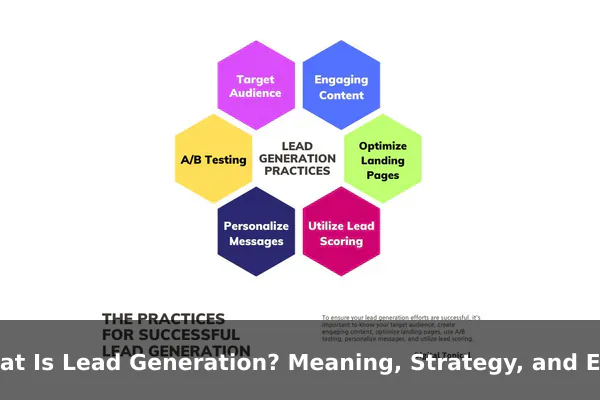
Every sale starts with a lead. Before someone becomes a paying customer, they were once a stranger — someone who stumbled across your content, clicked an ad, or downloaded a resource. Lead generation is the systematic process of turning those strangers into people who are genuinely interested in what you offer.
For marketers and business owners, lead generation is not just a tactic — it is the engine that powers revenue growth. Without a reliable flow of qualified leads, even the best product can struggle to find customers. Understanding how lead generation works, which strategies deliver results, and how to measure success is essential for any business looking to grow.
What Is a Lead? The Core Definition
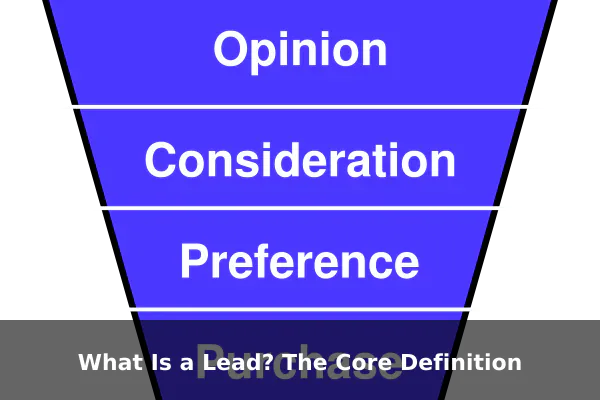
A lead is any person who has shown some level of interest in your product or service. That interest can take many forms — filling out a contact form, subscribing to a newsletter, clicking on an ad, or downloading a free resource. What makes someone a lead is that you now have a way to follow up with them.
Not all leads are created equal. Marketers typically group them into three broad types:
- Cold leads: People who match your target profile but have not yet engaged with your brand.
- Warm leads: People who have interacted with your content or brand but are not yet ready to buy.
- Hot (qualified) leads: People who are actively evaluating your product and are close to making a decision.
In B2B marketing, two specific terms are widely used to classify leads by readiness:
- Marketing Qualified Lead (MQL): A lead who has engaged with your marketing content — for example, downloading an ebook — but is not yet sales-ready.
- Sales Qualified Lead (SQL): A lead that has been reviewed and is deemed ready for a direct sales conversation.
Understanding the difference between these types helps teams prioritize their efforts and avoid wasting time on contacts who are not ready to move forward.
How Lead Generation Works
The lead generation process follows a clear end-to-end flow. While every business applies it differently, the underlying structure is consistent:
- Attract: Drive traffic to a webpage, landing page, or content using SEO, paid ads, social media, or referrals.
- Capture: Offer something of value — a discount, a guide, or a free trial — in exchange for the visitor’s contact information.
- Nurture: Use email sequences, retargeting ads, or personalized content to move the lead closer to a purchase decision.
- Convert: Hand off qualified leads to your sales team or direct them toward a purchase.
Most modern businesses automate much of this process using CRM platforms and email marketing tools, allowing them to run lead generation at scale without a proportional increase in manual effort.
Inbound vs Outbound Lead Generation
There are two primary approaches to generating leads, and understanding the difference helps you choose the right mix for your business.
Inbound Lead Generation
Inbound lead generation attracts leads who are already searching for solutions. You create valuable content or experiences that pull them toward you organically. Common inbound tactics include:
- SEO-optimized blog posts and landing pages
- Gated content such as ebooks, templates, and whitepapers
- Social media content and community building
- Free tools, quizzes, or calculators
Inbound is typically more cost-effective over time, but it takes longer to build momentum. It works best for businesses with established content strategies and longer sales cycles.
Outbound Lead Generation
Outbound methods involve proactively reaching out to potential customers — even if they have not expressed prior interest. Common outbound tactics include:
- Cold email campaigns
- Paid advertising on Google, Facebook, or LinkedIn
- Cold calling and direct outreach
- Direct mail and event sponsorships
Outbound delivers faster results and is well-suited for B2B companies or new businesses that need immediate traction. It typically costs more per lead but allows for precise targeting. Most successful businesses use a combination of both approaches — inbound for sustainable long-term growth and outbound to accelerate results when needed.
Top Lead Generation Strategies That Work
With the right mix of strategies, any business can build a consistent pipeline of qualified leads. Here are six proven tactics worth prioritizing:
1. Content Marketing and Lead Magnets
Create a valuable piece of content — a checklist, template, or industry guide — and require visitors to submit their email to access it. This is one of the most effective ways to build a high-quality email list while establishing authority in your niche.
2. Optimized Landing Pages
A focused landing page with a single clear offer converts significantly better than a general homepage. Use a compelling headline, concise benefits-driven copy, and one strong call-to-action. Remove any navigation links that might distract visitors from the conversion goal.
3. Email Drip Campaigns
Email remains one of the highest-ROI channels in marketing. Automated drip sequences allow you to warm up cold leads gradually, delivering relevant content over time until they are ready to buy.
4. SEO and Organic Content
Ranking for high-intent search queries brings in visitors who are already looking for solutions. Pairing well-optimized articles with embedded CTAs and lead capture forms turns organic traffic directly into leads.
5. Paid Social Ads with Native Lead Forms
LinkedIn and Facebook both offer native lead form ads that let users submit their contact details without leaving the platform. These reduce friction significantly and tend to produce higher conversion rates for paid campaigns.
6. Webinars and Online Events
Webinars require registration upfront, which means you collect contact information before the event even begins. They also build trust and authority — two factors that speed up the decision-making process significantly.
Real-World Lead Generation Examples
Understanding theory is useful, but seeing how lead generation works in practice makes it easier to apply. Here are three concrete examples across different industries:
SaaS Free Trial Signup
A project management software company offers a free 14-day trial. Visitors sign up with their email address, which automatically triggers a multi-step onboarding email sequence. The product itself is the lead magnet, and the trial experience becomes the primary nurture mechanism. Users who engage deeply with the product are flagged as SQLs for a sales follow-up.
B2B Gated Whitepaper
A consulting firm publishes an in-depth research report on industry benchmarks. To download it, visitors must submit their name, email, job title, and company size. The sales team then reviews submissions, scores leads based on their profile, and prioritizes follow-up with those who match the ideal customer profile.
E-commerce Discount Pop-Up
An online retailer displays a timed pop-up offering 15% off a first order in exchange for an email address. This captures shoppers who may have otherwise left the site. Those emails enter a welcome sequence featuring product recommendations and limited-time offers that bring new subscribers back to purchase.
How to Measure Lead Generation Success
Tracking the right metrics ensures your lead generation efforts are actually driving business outcomes. The four most important indicators are:
- Conversion Rate: The percentage of visitors who become leads. Industry averages for landing pages typically fall between 2% and 5%.
- Cost Per Lead (CPL): How much you spend — across ads, content, and tools — to acquire each lead. Lower is better, but quality matters more than raw volume.
- Lead Quality Score: A numerical ranking (often automated within a CRM) that reflects how closely a lead matches your ideal customer profile based on demographics and behavior.
- Lead-to-Customer Rate: The percentage of leads that ultimately convert into paying customers. This metric ties your lead generation activity directly to revenue.
Reviewing these metrics monthly helps identify which channels generate the best return and where budget should be reallocated.
Common Lead Generation Mistakes to Avoid
Even experienced marketers make avoidable errors when building their lead generation programs. Watch out for these four common pitfalls:
Prioritizing Quantity Over Quality
A large list of unqualified leads drains sales team time and inflates costs without producing proportional revenue. Focus on attracting the right people — those who genuinely need your solution and have the means to act on it.
Skipping Lead Nurturing
Most leads are not ready to buy immediately. Without a structured follow-up sequence, even warm leads go cold quickly. Automated nurture campaigns ensure no lead is left behind simply because the timing was not right on day one.
Weak Landing Page User Experience
Slow load times, cluttered layouts, and confusing copy all kill conversion rates. Every element on a lead generation landing page should serve a single purpose: convincing the visitor to take action.
Ignoring Lead Scoring
Without a scoring system, sales teams have no way to prioritize their outreach. Even a simple scoring model — based on job title, company size, and engagement behavior — dramatically improves efficiency and close rates.
Lead generation is not a one-time campaign. It is an ongoing process that improves with consistent testing, measurement, and refinement. By combining the right strategies with a clear understanding of your audience, you can build a pipeline that reliably delivers qualified prospects — and turns them into loyal customers over time.
