
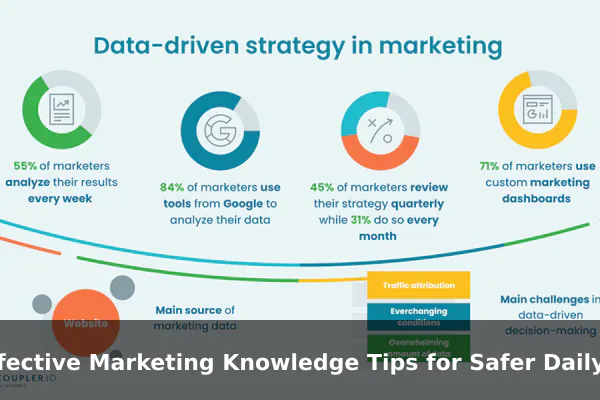
Marketing knowledge is most useful when it helps you make safer, clearer decisions in everyday work. Whether you are a small business owner posting a promotion, a freelancer reviewing an ad draft, or a reader scrolling through sponsored content, the same questions show up again and again: Is this claim honest? Is this link safe? Am I handling someone’s data responsibly?
Many marketing risks come from small, repeatable habits rather than dramatic mistakes. Exaggerated wording, missing disclosures, careless link clicks, and casual data collection can quietly add up. The tips below focus on cautious, practical routines you can apply daily, anchored to official guidance from the U.S. Federal Trade Commission (FTC), the Cybersecurity and Infrastructure Security Agency (CISA), the National Institute of Standards and Technology (NIST), and advertising standards bodies such as the UK’s ASA/CAP.
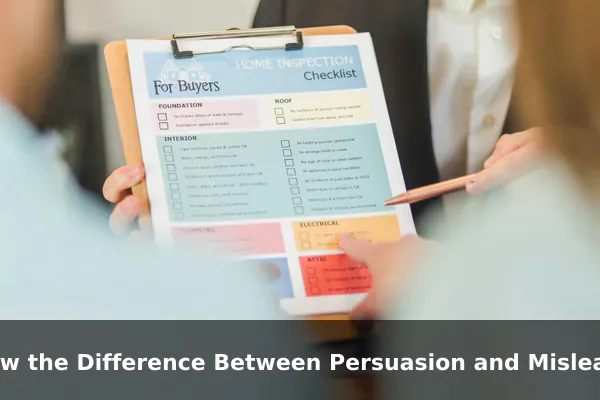
Know the Difference Between Persuasion and Misleading Claims
Safe marketing starts with truthful, supportable claims. Persuasion is welcome; misleading wording is not. According to FTC guidance on advertising and marketing, claims should be truthful, not deceptive, and supported by evidence before they are made. That same idea sits at the core of the ASA/CAP advertising codes used in the UK.
What to Watch For in Your Own Wording
- Absolute promises like “guaranteed results” or “works for everyone” that are hard to prove.
- Hidden limitations buried in tiny disclaimers that contradict the headline.
- Vague superlatives such as “the best” without context or comparison data.
- Before-and-after stories presented as typical when they are actually rare.
A Simple Self-Check
Before publishing, ask: Can I back this up with something a reasonable person would accept as evidence? If the answer is “not really,” soften the wording. Phrases like “may help,” “in our tests,” or “based on customer feedback” are usually safer than absolute statements, as long as they are accurate.
Check Endorsements, Reviews, and Affiliate Links Carefully
Endorsements are powerful, which is why they need extra care. The FTC’s Endorsement Guides explain that material connections, such as payment, free products, or affiliate commissions, should be disclosed clearly and conspicuously so the audience understands the context.
For Creators and Brands
- State the relationship in plain language: “paid partnership,” “gifted,” or “I earn a commission if you buy through this link.”
- Place the disclosure where viewers will actually see it, not hidden under “more” or at the end of a long caption.
- Make sure testimonials reflect honest experiences, and avoid editing reviews in ways that change their meaning.
For Readers and Buyers
- Look for disclosure language near the recommendation.
- Compare claims with independent reviews and official product pages.
- Treat unusually glowing or identical-sounding reviews with healthy skepticism.
This habit protects both sides: creators stay within advertising standards, and readers get the context they need to judge a recommendation fairly.
Use Marketing Emails and Links With Phishing Awareness
Many scams travel through channels that look like normal marketing: promotional emails, SMS offers, social ads, and DMs. CISA’s guidance on recognizing and reporting phishing emphasizes slowing down before clicking and checking the small details that scammers often get wrong.
Quick Safety Checks Before You Click
- Sender details: Does the email address match the brand’s real domain, or is it a lookalike?
- Tone and urgency: Be cautious with messages that pressure you to act “immediately” to avoid losing an account, prize, or limited offer.
- Unexpected attachments: Treat unrequested files, invoices, or “shipping documents” with extra suspicion.
- Link previews: Hover over links to see the actual URL; watch for misspellings and unfamiliar domains.
- Personal data requests: Legitimate brands rarely ask for passwords, full card numbers, or one-time codes by email or chat.
What to Do With Suspicious Messages
If something feels off, do not click. Go directly to the brand’s official site or app to verify the offer. Report phishing using your email provider’s built-in tools and, where appropriate, follow CISA’s reporting guidance. Deleting alone is fine for personal safety, but reporting helps protect others too.
Protect Customer Data Before Using Marketing Tools
Marketing platforms make it easy to collect a lot of data quickly. That convenience comes with responsibility. The NIST Privacy Framework encourages organizations to identify privacy risks early and to handle data in ways that match what people would reasonably expect.
Everyday Privacy-Minded Habits
- Collect only what you need. If a campaign only requires an email, do not ask for phone numbers, birthdays, or addresses “just in case.”
- Limit access. Give teammates and tools the lowest level of access that still lets them do their job.
- Review integrations. When connecting a new analytics, CRM, or ad tool, check what data it can read and how long it stores it.
- Be careful with exports. Spreadsheets of customer data can travel further than expected; store them securely and delete when no longer needed.
- Honor preferences. Make unsubscribe and opt-out flows easy, and respect them promptly.
Before You Launch a Campaign
Walk through a quick mental checklist: What data am I collecting? Why? Where will it live? Who can see it? How will people opt out? These questions, inspired by privacy-by-design thinking, take only a minute and can prevent issues that are much harder to fix later.
Read Promotions, Discounts, and Limited-Time Offers With Care
Promotions are designed to encourage action, which is why it is worth slowing down. Advertising standards bodies generally expect price claims, savings, and time limits to be presented in a way that is clear and not misleading. Specific rules vary by country and can change, so check current local guidance for binding details.
For Shoppers and Readers
- Check whether a “discount” is measured against a fair, recent reference price.
- Read conditions on shipping, returns, eligibility, and expiry dates.
- Look for the total price, including taxes or fees, before deciding.
- Be cautious with countdown timers that reset or scarcity messages that never seem to run out.
For Marketers
- Keep promotional terms easy to find and easy to understand.
- Avoid framing routine prices as special savings.
- If a deal has limits, say so in plain language near the headline, not only in fine print.
Build a Daily Marketing Safety Checklist
Most safety wins come from small, repeatable habits. A short checklist makes those habits stick.
Before You Publish or Share
- Can I support every factual claim with evidence?
- Have I disclosed any sponsorships, gifts, or affiliate links clearly?
- Are prices, conditions, and deadlines stated accurately?
- Do images and testimonials reflect real, honest experiences?
Before You Click or Buy
- Does the sender, domain, and link look legitimate?
- Is the offer consistent with the brand’s official channels?
- Am I being pressured to act faster than feels comfortable?
- Is the site asking for more personal data than the purchase needs?
Before You Collect or Store Data
- Is each field on my form genuinely necessary?
- Have I told people how their data will be used?
- Is the storage location secure and access limited?
- Is there a clear way for people to opt out or request deletion?
When to Pause and Verify First
Even with good habits, some situations deserve an extra pause. Strong judgment signals include:
- High-pressure claims that demand instant action.
- Health, financial, or legal promises that sound certain or risk-free.
- Unclear sponsorships or recommendations from accounts you do not recognize.
- Unusual data requests, especially for passwords, codes, or copies of ID documents.
- Conflicts with official guidance from regulators or platform policies.
When any of these appear, slow down, cross-check with primary sources, and ask a colleague or trusted contact if you are unsure. For trust-sensitive topics, it is far better to delay a post or a purchase than to undo damage afterward.
Conclusion
Effective marketing knowledge is not only about growth tactics; it is about safer daily use for everyone involved. Honest claims, clear disclosures, careful link handling, respectful data practices, and fair promotions form a steady foundation that protects both audiences and brands.
Treat the checklists above as living habits rather than one-time tasks. Revisit them as platforms, regulations, and threats evolve, and lean on official sources such as the FTC, CISA, NIST, and ASA/CAP for current, authoritative guidance. With small, consistent caution, marketing knowledge becomes a tool that helps people decide, click, and share with more confidence every day.
Official references
- Federal Trade Commission – Advertising and Marketing – Primary U.S. regulator guidance on truthful advertising, endorsements, consumer reviews, deceptive claims, and marketing compliance.
- FTC Endorsement Guides – Authoritative source for safe and transparent use of testimonials, influencer marketing, affiliate disclosures, and material connections.
- CISA – Recognize and Report Phishing – Official safety guidance for recognizing suspicious messages, links, and scams commonly encountered through marketing channels.
- NIST Privacy Framework – Primary framework for privacy risk management, useful for advice on safer handling of customer data and marketing technology.
- ASA/CAP Advertising Codes – Official UK advertising standards covering misleading claims, promotional marketing, direct marketing, and responsible advertising practices.
